Study Shows Brand-new Moms Aren't Well Prepared For Postpartum Urinary Incontinence
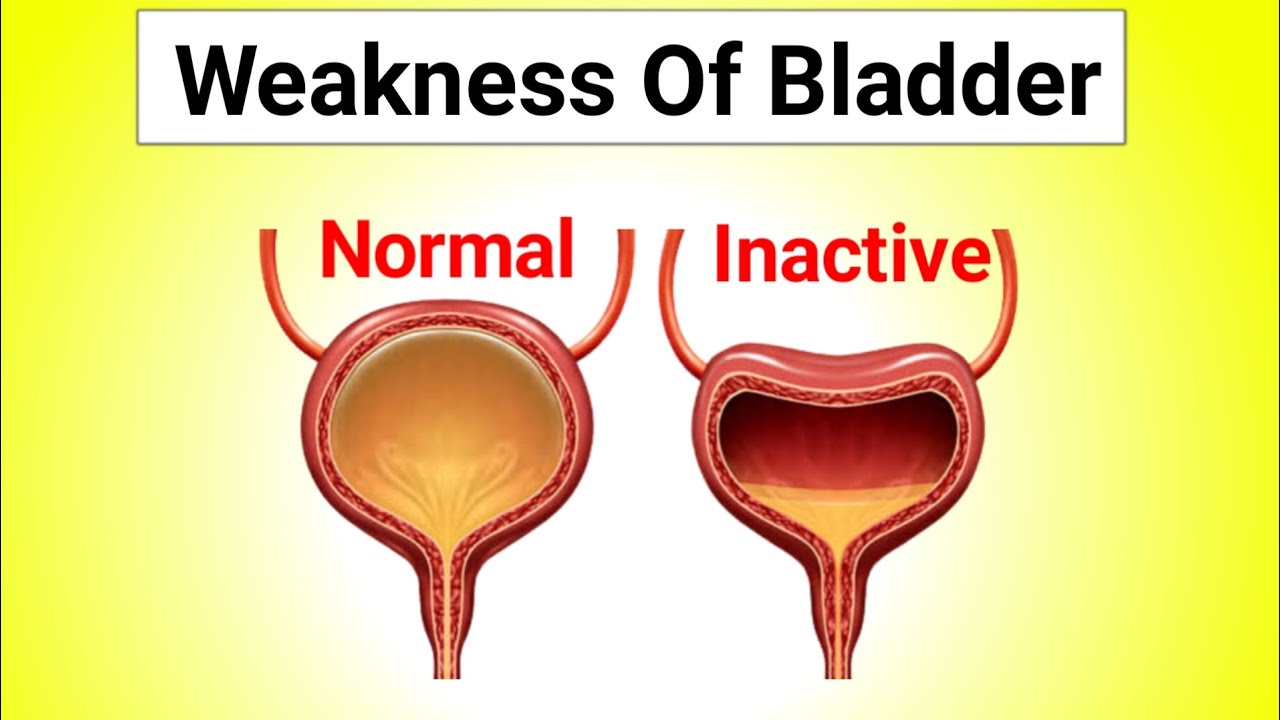
Just How To Manage Postpartum Urinary System Incontinence Every one of your nerves, bladder weakness treatment organs, and muscle mass collaborate, so the bladder operates effectively. At Holistic OB/GYN & Midwifery in Passaic Park, New Jersey, we recognize the importance of empathy when managing this sensitive problem. We aid women through pregnancy, giving birth, and past by constructing enduring relationships and utilizing a holistic technique to complete wellness. A lack of level of sensitivity and some loss of control are most likely as you heal. Changing hormonal agents can additionally affect the lining of your bladder and urethra. The good news is most bladder leak or control problems go away after giving birth when the muscles have actually had time to heal.It is essential to keep in mind that it is not suggested to restrict liquids throughout this time. You and your baby must remain hydrated by alcohol consumption at least six to eight glasses of liquids daily to keep a healthy pregnancy. Exercising these muscles during pregnancy has actually been revealed to decrease incontinence while pregnant and right after delivery. Appropriate pelvic flooring activation and gradual filling prescription reestablish feature and confidence for running, leaping, or lifting without humiliating crashes. Restore control over your pelvic flooring feature and modify activity without avoiding your enthusiasm. Call today to get over postnatal pelvic flooring obstacles hampering an energetic lifestyle. Continuous gentle mobilization treatment also relieves remaining scar cells or adhesions, entrapping nerves and endangering recovery. A lot of consisted of researches showed a modest threat of prejudice, which influences the possibility to distinguish occurrence between teams relating to risk of technical top quality. The mean prevalence of UI reported by research studies with reduced and moderate danger of prejudice did not vary. Nonetheless, the one high risk research study reported the highest possible prevalence of 63% [48] Due to the fact that a weighted occurrence number was calculated, this high threat study with only 196 participants and low action rate of 25.6% hardly affects the total occurrence of UI. We performed an organized testimonial and meta-analysis of empirical researches (cross-sectional and cohort studies) reporting on the prevalence and occurrence [17] of UI after delivery and experienced trouble.
- Also if your signs and symptoms boost, urinary system incontinence can return if you quit doing the exercises.
- As a registered nurse who's worked in geriatrics for over 14 years, I understand very first hand that changes in bladder control can be a common part of aging.
- An organized review on the prevalence of post-partum UI and the connection to the mode of delivery was published in 2010 [13]
- Dropping of any of these body organs is called pelvic relaxation, or prolapse.
Life-altering Results, At Every Life Stage
What does postpartum incontinence seem like?
Around 1 in 3 ladies experience urinary incontinence after having a child. After delivering, you may leakage urine when you laugh, cough, sneeze, raise something or exercise. Maternity hormonal agents, the weight of your uterus and having a vaginal birth can all stretch the pelvic flooring muscles that sustain your bladder.
Manage The Problem Now, And Fix It For Tomorrow
Lots of women experience postpartum incontinence, and it's nothing to be embarrassed of. As a matter of fact, many brand-new moms find that, with correct therapy and reinforcing exercises, they can reclaim total continence within 12 months, with signs typically improving within three to six months. However, the key is to treat urinary incontinence early and collaborate with a pelvic floor physiotherapist if essential. Early postpartum pelvic floor workouts and physical treatment can likewise assist support healing and reduce lasting bladder control problems.Your Body Is Entitled To Better: Take 15% Off
In fact, as numerous as four in ten women experience urinary incontinence while pregnant, and some new mommies proceed having this issue after giving birth. Along with Kegels, a pelvic flooring physical therapist can guide you through even more specific workouts that target your pelvic muscle mass properly and safely. They may likewise suggest techniques like psychophysiological feedback to assist improve muscle sychronisation. The strain and stretching decrease the natural support for your bladder, which makes you more likely to leak pee when you cough, sneeze, and even laugh. You should try to do this everyday for a minimum of 15 to 20 weeks postpartum. 10 studies have actually examined the incidence of UI post-partum (Table 1) [11, 25, 31, 34, 36, 38, 39, 49, 54, 56] Five research studies reported occurrence up to and including 3 months [25, 31, 34, 50, 54] and six reported from 3 up until 12 months [11, 25, 38, 39, 49, 56]